Progressive Medical Fitness Physical Therapy

Benefits of Staying Hydrated

Welcome to the topic, “Benefits of Staying Hydrated”.

Staying hydrated is an important—and often ignored—aspect of retaining good health. As we grow our body requires more water. Adults and older are at higher risk for dehydration for several reasons, including body composition changes and natural drops in thirst levels. 

If you’re struggling to take eight glasses of water (each 8-ounce) a day—the amount suggested by many health care professionals—here is 10 reasons why hydration is important.

1. Improved brain performance

Even a little dehydration—as little as 2% loss of fluid—can affect memory, reaction time, concentration, and mood. Adding just a few cups of water per day can combat feelings of anxiety, stabilize your emotions, and have an optimistic effect on cognition. This is specifically important for older adults who are at greater risk for both dehydration and reduced cognitive function.

2. Digestive harmony

Your body necessities water to digest food well. Without enough, you may face heartburn, gas, bloating, irregular bowel movements, and other anxieties that can hurt your life. Increasing your fluid intake may set things moving on the right track again. It helps in breaking down soluble stuff from your diet to retain your digestion process in the right direction. Mineral water is particularly beneficial—look for foodstuffs enriched with magnesium and sodium.

3. More energy

Dehydration can reduce circulation and affect the passage of oxygen to your brain. A deficiency of fluids can also make your heart work harder to propel oxygen throughout the body. All of that consumed energy can make you feel exhausted, less focused, and sluggish. Simply by drinking more water, you’ll stop dehydration and have more energy to get you over the day.

Progressive Medical Fitness pexels-andrea-piacquadio-3776811-300x200 Benefits of Staying Hydrated Exercises  Staying Hydrated Stay Hydrated Hydration

4. Weight loss/management

Since it offers a sense of fullness, water can assist you to feel pleased in between meals—instead of moving to the snack cupboard. It can also assist boost your digestion. One study of females with excess weight concluded that drinking additional water before each mealtime resulted in substantial falls in body weight, body composition, and body mass index. According to another study, adults who increased their water intake by just one percent consumed a few calories. They also don’t take much sugar, saturated fat, sodium, and cholesterol.

5. Decreased joint pain

Do you know the cartilage in all of our joints contains about 80% water? Staying hydrated assists your joints to be well-lubricated, which helps decrease friction by generating more of a “cushion” within the joints. Less friction means smooth joint movement and fewer pains and aches.

6. Better temperature regulation

Studies show that when you’re dehydrated, your body releases more heat. This as a result lowers your ability to endure hot temperatures. Drinking sufficient water helps you produce more sweating when you’re overheated while doing work, which in turn freshens your body down. This built-in freshening mechanism is important in preventing heat stroke and other potentially fatal heat-related conditions.

7. Kidney stone prevention

Kidney stones are masses of mineral crystals that are often present in the urinary tract. If you’ve ever practiced one, you know how hurting they can be. Consuming sufficient amounts of water every day can assist to dilute the concentration of mineral deposits in your urinary tract and reduce stone formation chances. Water also helps evacuate harmful bacteria from your body and can help in preventing Urinary Tract Infections (UTIs).

8. Healthier heart

Progressive Medical Fitness pexels-andrea-piacquadio-3767362-300x214 Benefits of Staying Hydrated Exercises  Staying Hydrated Stay Hydrated Hydration

Your blood contains a large amount of H2O. When you don’t drink a sufficient amount of water, it becomes highly concentrated, which can result in an imbalance of important minerals (electrolytes). These minerals, like sodium and potassium, are crucial proper functioning of your heart.

Progressive Medical Fitness pexels-kindel-media-7298412 Tips to reduce low back pain throughout the day Exercises How We Treat Therapy What We Treat  reduce low back pain lower back pain low back pain

Tips to reduce low back pain throughout the day

Welcome to the topic, “Tips to reduce low back pain throughout the day“.

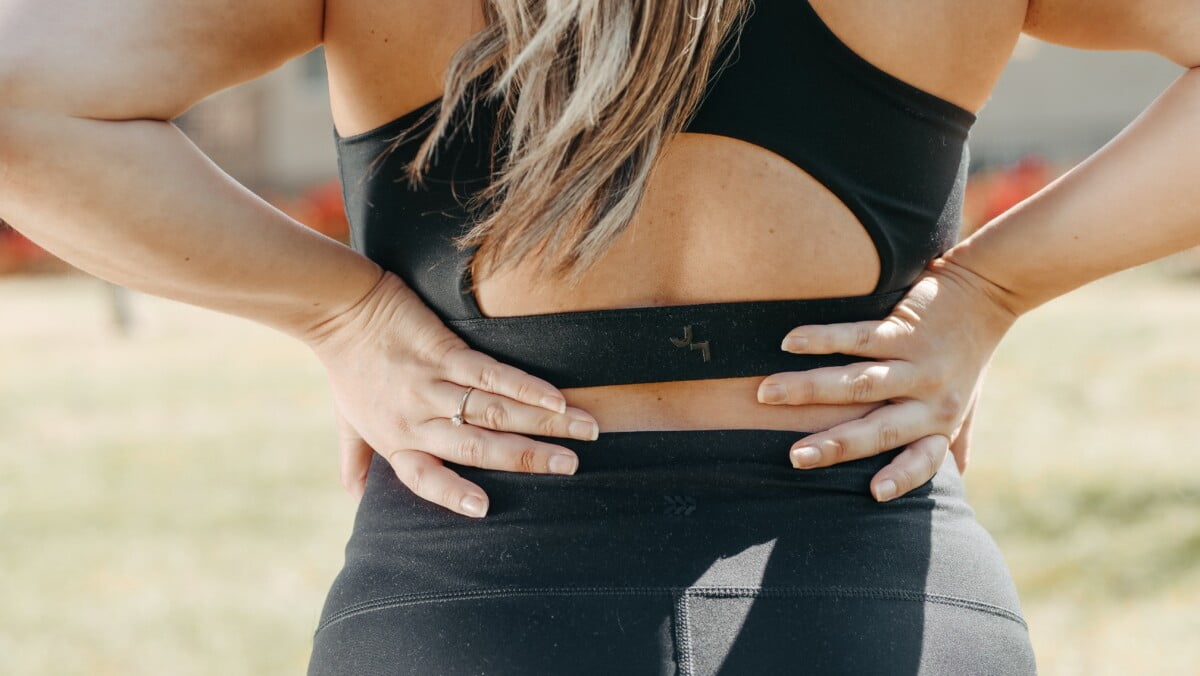
There are ways of reducing low back pain without depending on drugs or surgery. However, there are always exemptions, and your condition may vary and require more than the tips below to reduce your low back pain. Below is a list of the top tips to reduce low back pain throughout the day.

1. Posture

The posture that you have and move with is an important influence on your low back pain. The worse your postural alterations are, the more pressure your lower back has to take. Also if your posture indeed has your hips tilted a lot in any direction the more your constricted lower back will be.

2. Ergonomics

When are you seated for long periods it’s essential to make sure that the things around you support you instead of harm you. Comfortable things such as having your monitor at the level of the eye when you are at work on your computer and having a chair with a proper height are important to reducing lower back pain.

3. Stability Ball

One of the most pleasing things you can do for your posture as well as to reduce your lower back pain is to use a stability ball for seating in places where you use to sit for long periods. A stability ball is a comfortable chair as it forces your core to trigger and keeps you steady as you sit on it. It also assists in movement as you can carelessly bounce on the ball as you sit on it and read or work at the same time.

Progressive Medical Fitness pexels-mikhail-nilov-6740058 Tips to reduce low back pain throughout the day Exercises How We Treat Therapy What We Treat  reduce low back pain lower back pain low back pain

4. Proper Lifting

How you lift something can easily mark your lower back. The rule of lifting with your legs and not your back still relates. When having to lift bulky and heavy objects, do whatever you can to bend down and lift pushing with your heels to the balls of your feet and not load just your lower back. Lifting mishaps are a leading cause of low back pain and should always be controlled with care.

5. Drink Water

Water may not be the primary thing to come to thoughts when it comes to having a healthy lower back but consider this, your body needs a lot of hydration to support the normal healing process. If you are dehydrated at all then you are depriving your body of its own influential natural healing abilities. Many people who have lower back pain may have had a low back injury. Drinking plenty of water can assist you to speed up the healing process.

6. Lose Weight

Excess weight is excessive stress on all of the joints. Your lower back is one of the places where stress is manipulated the most. Getting to and sustaining a healthy weight will help you to feel a great reduction in your low back pain.

7. Exercise Regularly

Staying dynamic is essential to keep a healthy back. Without consistent exercise, the power of your muscles quickly deteriorates and the feebler muscles tend to tighten up and result in pain. Exercise is a good way to keep your body mobile and loose and can play a great role in reducing your lower back pain.

Progressive Medical Fitness pexels-ketut-subiyanto-4426321 Tips to reduce low back pain throughout the day Exercises How We Treat Therapy What We Treat  reduce low back pain lower back pain low back pain

All of these tips will help you a lot in reducing your pain and maintaining the health of your lower back. Aside from these seven tips, many people have lower back pain because of muscle discrepancies that are caused because of our new lifestyle. Once you state those muscular imbalances that are resulting in your pain, then you can start feeling real relief and these tips will be important to maintain the health of your lower back.

Keep visiting for more tips and solutions to health problems.

Progressive Medical Fitness ice-vs-heat When to use ice versus heat? How We Treat Therapy What We Treat Work Injury  ice vs heat ice versus heat heat vs ice heat versus ide

When to use ice versus heat?

Welcome to the topic, “When to use ice versus heat?”

Ice versus Heat, are both considered cheap, easy-to-use treatment methods for pain and injuries. But in the days or even moments after an injury, people often fail to recall which choice provides the most advantage.

There is really no wrong or right answer, but ice is typically used for recent or acute injuries, while heat is used for chronic and muscular pain.

Ice is a good choice for the first 3 days after an injury because it assists in reducing swelling, which causes pain. On the other hand, heat helps soothe inflexible joints and relax muscles. However, neither choice should be used for more than ten to fifteen minutes at a time.

When to use ice?

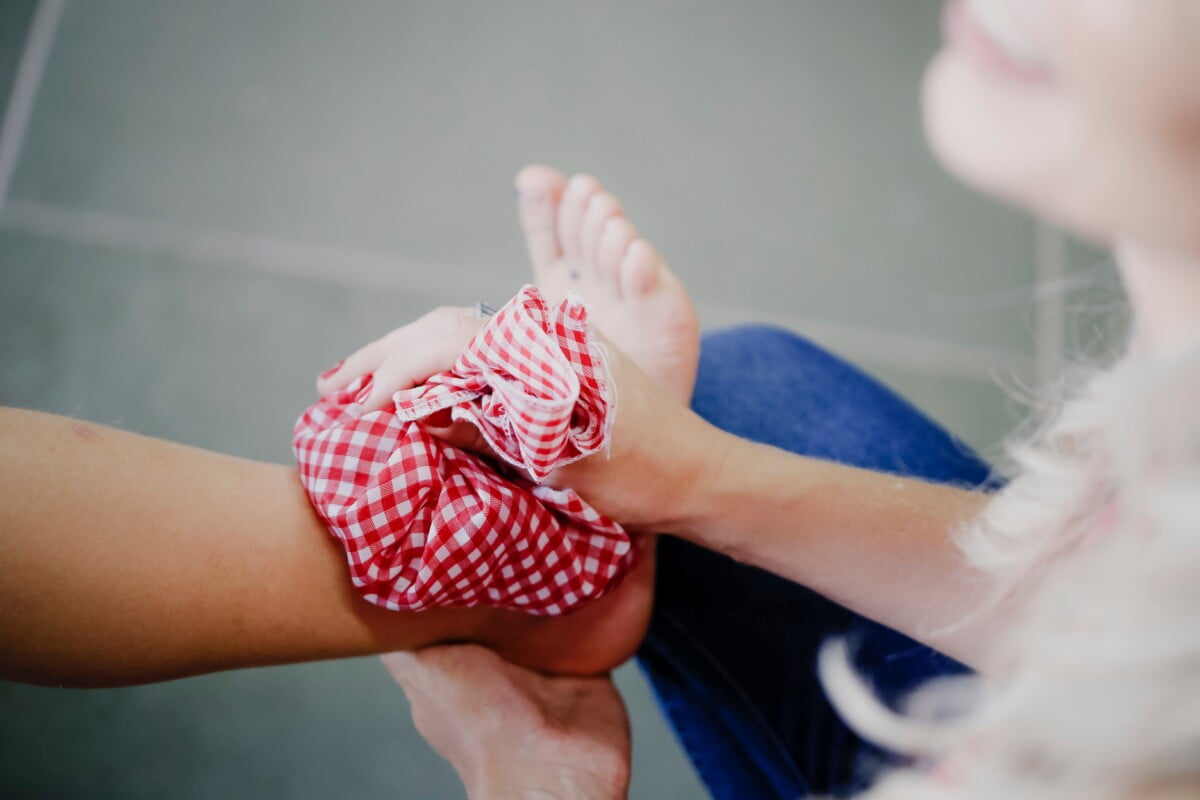
Ice helps reduce swelling. By rubbing an ice pack, bag of frozen taters, or cold cloth at the beginning of an injury, swelling can be decreased, which lessens pain. It is okay to have direct contact with ice only if it is for a short span. Otherwise, applying a cover between the ice and the skin is greatly recommended.

When to use heat?

Heat actually has the reverse effect of ice. It causes blood vessels to open which can rouse inflammation rather than relieve it.”

Heat management should be used for chronic illnesses to help loosen tissues, and relax and enhance blood flow to the area. Heat is a highly recommended treatment option for chronic conditions resulting from arthritis or even old injuries. Heat can be useful before participating in actions to help limber up. Against using heat therapy after activity or after a severe injury because heat treatment can cause the swelling to aggravate.

Progressive Medical Fitness pexels-andrea-piacquadio-3807730-1 When to use ice versus heat? How We Treat Therapy What We Treat Work Injury  ice vs heat ice versus heat heat vs ice heat versus ide

Heating packs are the most used heat source, but even a hot, wet towel can be useful for relief.

Ice and heat in moderation

Patients face burns due to excessive use of either cold or heat. It is important to take out the ice or heating pad for 15 to 20 minutes after each treatment phase.

Some people do not endure ice or heat well. It often comes down to an individual preference of what brings a decrease in symptoms. It’s also significant to remember that ice and heat are not a treatment for any injury, but are a source of relief.

Here are some of the conditions for which ice vs heat is used frequently:

Arthritis 

The inflammation of joints caused by arthritis can result in stiffness and pain in places like elbows, fingers, shoulders, and knees. For these cases, using moist heat, like a bath in a tub or shower benefits.

Muscle Strains and Sprains 

Muscle sprains and strains usually benefit from a mix of both heat and ice when they occur. Whether there is a pulled muscle in the back doing yardwork or sprained ankle while playing basketball, it’s best, to begin with, ice to relieve inflammation (including tenderness, redness, or swelling of the injury). Only after the inflammation decides is it a good idea to shift to heat; this can assist relieve any muscle rigidity at the injury site.

Progressive Medical Fitness pexels-kindel-media-7298647 When to use ice versus heat? How We Treat Therapy What We Treat Work Injury  ice vs heat ice versus heat heat vs ice heat versus ide

Tendonitis

Tendonitis, a painful inflammatory condition caused by repetitive actions, affects the tendons, the connective tissues between a muscle and bone. To reduce the pain, rest, over-the-counter pain reducers, and ice treatment are recommended. Ice is preferred to relieve the inflammation and help lessen the pain.

Get Help

PMF is dedicated to keeping you pain-free and active – getting you back to what is essential in life. If you are having an old or current injury and it is not reacting to home treatments, get help from us today.

Progressive Medical Fitness pexels-yan-krukau-8436655 5 Easy Exercises to Improve Your Posture Exercises  improve your posture improve posture easy exercises

5 Easy Exercises to Improve Your Posture

Welcome to the topic, “5 Easy Exercises to Improve Your Posture”.

A good posture keeps your spine aligned and body balanced. It helps prevent backaches and headaches and enhances your shoulder strength. Whether you are lying down, standing, or sitting it’s important to retain a good posture.

We have put together 5 easy exercises to improve your posture along with a sitting guide. Sitting straight is also very important along with exercises as in daily routine we spend most of the time sitting in offices, schools, and at home also.

Sit up Straight

Sitting for hours in front of a computer can be a real pain in the shoulders and neck. Our bodies were not premeditated to sit for extended periods. Research from the University of Sydney found that extended sitting increases the risks for diseases, independent of other activities. Along with breaks every 20 minutes, follow this posture guide while seated:

  1. Keep your back straight with the back of your office chair; avoid leaning forward or slouching.
  2. Keep your shoulders relaxed, slightly back, and straight.
  3. Keep your back and neck aligned.
  4. Place both of your feet on the floor with your weight equally distributed.
  5. Adjust chair height to keep your arms at a 75 or 90-degree angle at your elbows.

Exercises to Improve Posture

Let’s move to the 5 easy exercises to improve your posture:

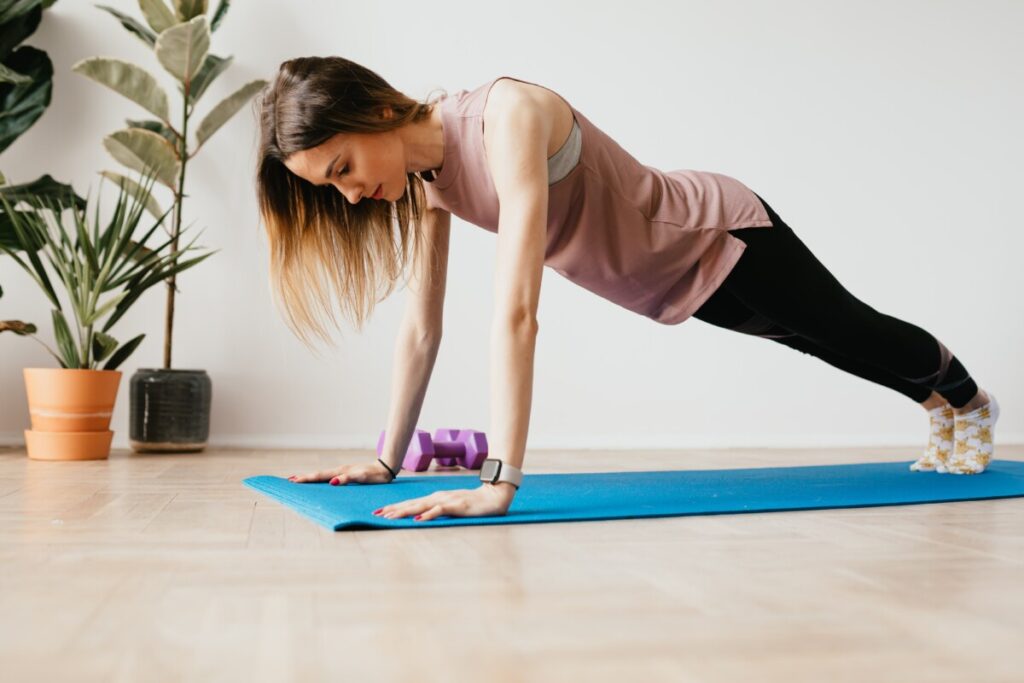
1. Plank Pose

it is a simple and effective exercise to strengthen your abdominal core and back as well as your back and shoulder muscles.

Start on your knees and hands with your palms under your shoulders. Balancing on toes, extend your knees behind you. Beginners can stay on their knees. Make sure that your pose resembles the raised position of push-ups. Make your abdominal muscles tighter to prevent a “sway-back” and look down at the floor. Hold the plank position until you feel muscle fatigue. If you are a beginner, you may hold the plank position for just 10 seconds. Rest and repeat.

Progressive Medical Fitness pexels-karolina-grabowska-4498218-1024x683 5 Easy Exercises to Improve Your Posture Exercises  improve your posture improve posture easy exercises
Progressive Medical Fitness pexels-marta-wave-6454196-1024x683 5 Easy Exercises to Improve Your Posture Exercises  improve your posture improve posture easy exercises

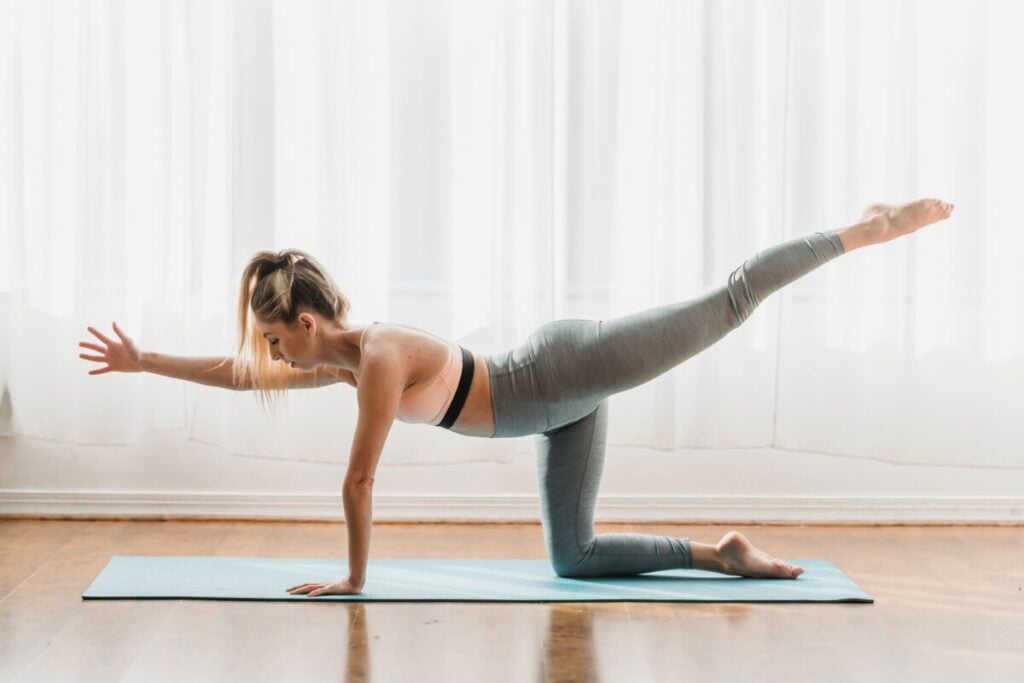
2. Be a Bird Dog

Start on your knees and hands with a flat back. Extend your right arm in front of you and extend your left leg behind you. Balance your body in this position and hold. For more strength, bring your extended leg and arm toward your mid-section and touch your knee to your elbow. Release and repeat on the other side.

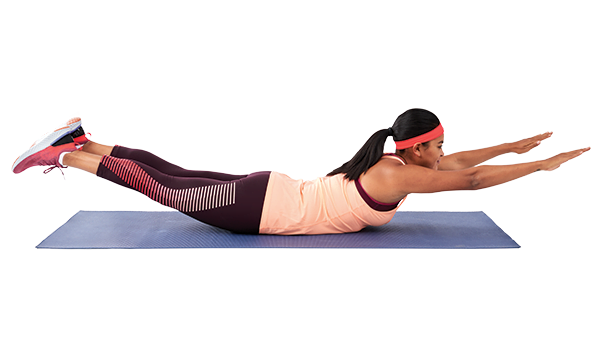
3. Back Crunch

Lie straight on your stomach with arms extended in front of you. With thumbs of both hands up, now slowly lift your chest off the ground and expand the chest by opening the arms at the shoulder. Hold for some time and lower. Lift legs off the ground. Hold them too, lower, and repeat. For more strength, lift your chest and legs at the same time. Hold for some time, lower, and repeat.

Progressive Medical Fitness Back-Crunch-exercise 5 Easy Exercises to Improve Your Posture Exercises  improve your posture improve posture easy exercises
Progressive Medical Fitness pexels-cottonbro-studio-6293198-683x1024 5 Easy Exercises to Improve Your Posture Exercises  improve your posture improve posture easy exercises

4. Stretch your back

Stand with feet apart, almost shoulder-width. Raise arms over head, and bring your biceps close to the ears. Join your fingers together. Tuck pelvis forward to defend the small of your back. Slowly bring both of your arms forward as you move the stretch down your spine. Do not push the stretch. Move as far as at ease and return to the starting position.

5. Stretch and Roll

Start with a plank position, straighten your arms and lower your legs. Extend your spine and head upward. With a little more lift to your chest, move into the cobra pose. Hold for some time then change positions. Now move onto your knees and hands, gently round your whole back, and arch up into a stretch. Lower and repeat.

Progressive Medical Fitness pexels-polina-tankilevitch-6516231-683x1024 5 Easy Exercises to Improve Your Posture Exercises  improve your posture improve posture easy exercises

Final Words

Strengthening back and abdominal muscles will improve your posture. After a few weeks, you’ll personify self-confidence as you stand, sit and walk. But, before starting such exercises, especially if you have back pain, talk to your health care provider or your orthopedic specialist.